Can regional office developments have it all? TFT at UKREIIF 2026
Project leads
Contributors
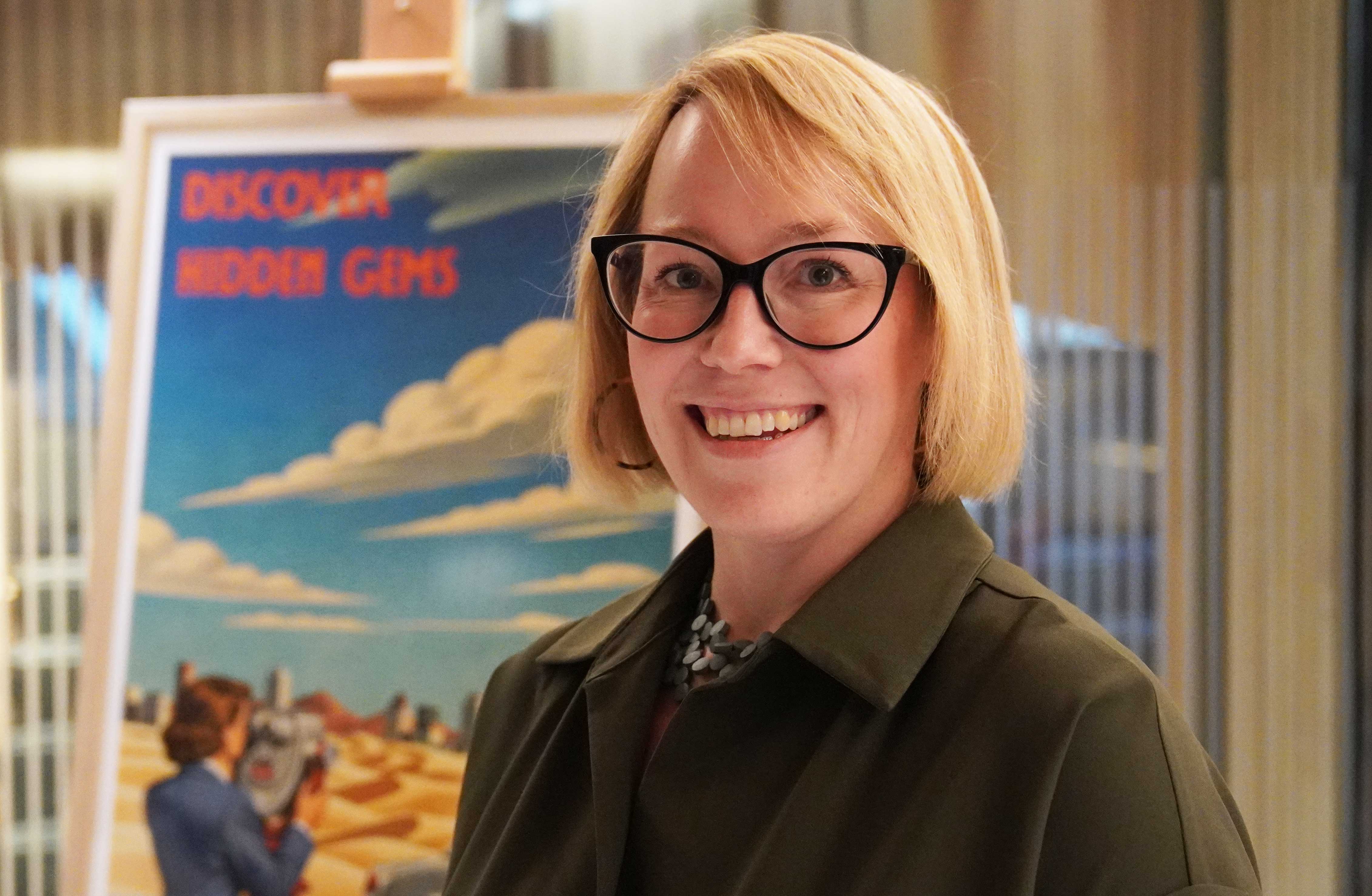
Gemma McKenzie-Rodgers
Gemma is TFT’s Associate Director of Sustainability for the UK& Ireland. With 20+ years’ experience in environmental management, sustainable building design, and ESG, she supports owners, occupiers and investors in understanding and improving the sustainable performance of their assets. Managing our in-house team of energy, carbon and sustainability specialists, Gemma supports clients to embed sustainability across portfolios in line with planning obligations, corporate aspirations, and industry best practice, aligning to CapEx/OpEx strategies, from concept through to completion.
Her expertise includes developing corporate sustainability strategies, leading green procurement, and delivering certified buildings and wellbeing standards across new build, refurbishment, and fit-out projects. Gemma also oversees technical studies such as EPC and MEES, net zero carbon, whole life carbon, and circular economy, supporting clients through planning and asset transactions.
The office sector outlook was a big topic of conversation at UKREIIF this year, with attendees and panels discussing the market, the hurdles, and the opportunities for creating better workplaces around the country.
After our Escape to the Office event took a broad view of the sector's resurgence, and what it means for different kinds of workplaces back in February, we thought we'd bring one big challenge to UKREIIF:
How do you create a more valuable, resilient office asset in regional settings? Specifically, how can you make limited budgets go further?
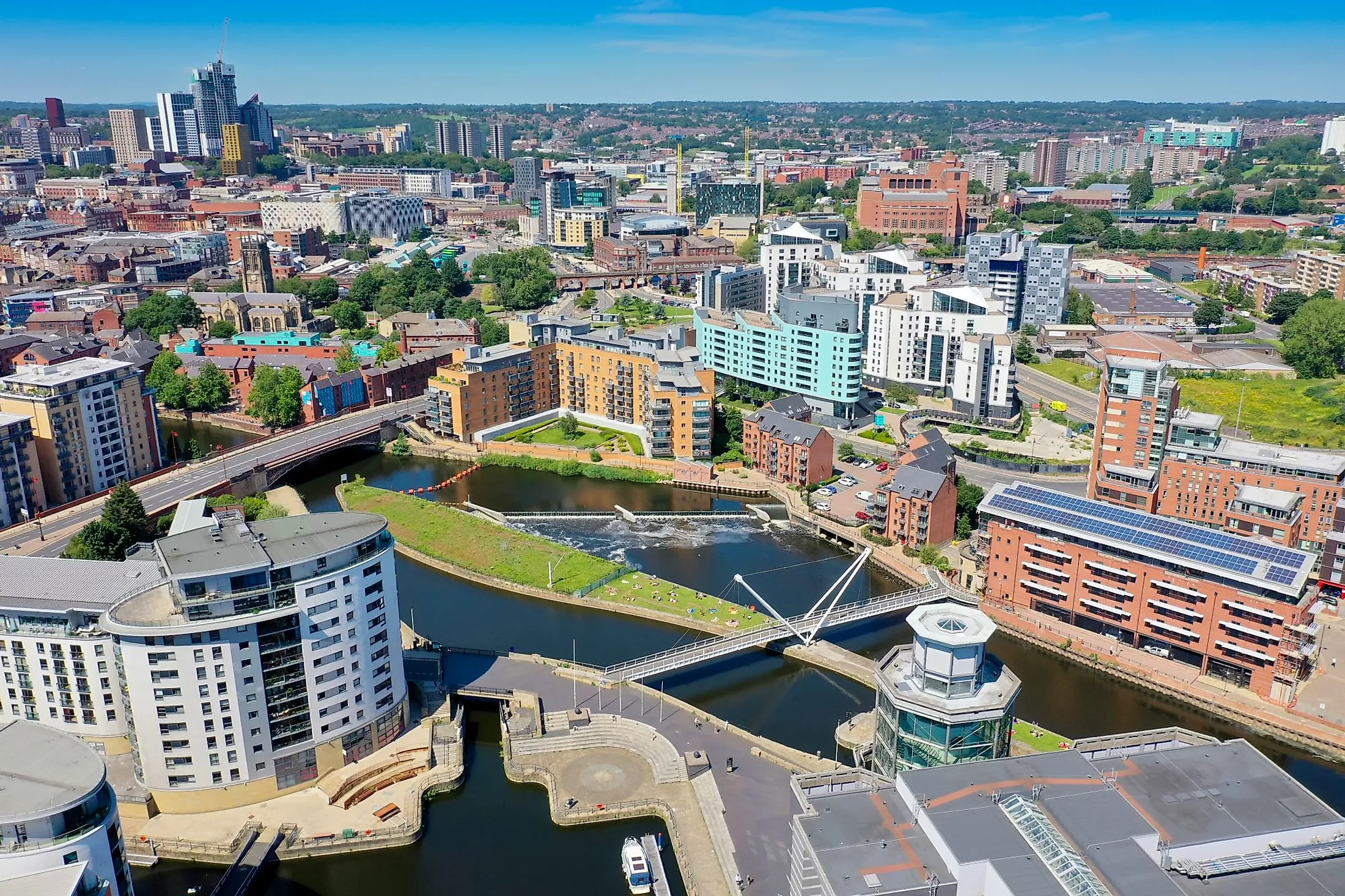
Our UKREiiF panel tested that question by introducing a troubled asset to the audience: The Tenner Works. Our hypothetical building offered 50,000 sq ft of multi-let Grade B office space, in central Leeds. But its challenges stemmed from being a late 1990s building, complete with an EPC C, ageing systems and a limited amenity offer.
A familiar story for many building owners and developers looking to improve building stock in regional settings - and perhaps also for tenants looking for quality spaces in good locations.
We asked our panel to get this building in shape for the market, ready to deliver value for decades to come.
Tight budgets, tough development decisions
The twist to this challenge was that we left our 'developers' with very little to work with. Just £10m, in fact.
Meanwhile, we had a lot of potential upgrades to make - we could overhaul the fabric, refurbish the interior, bring in new technology, enhance amenity and improve the sustainability of the asset.
Of course, doing too many of these things would quickly blow our budget.
So began a focussed conversation on where value lies and where priorities are set. It wasn't about all that could be done, or what might be possible in the future. It was was about debating the value of each measure, to find those interventions that would best support leasing, performance and long-term value for this asset.
How our panel made the case
The session was chaired by our colleague Gemma McKenzie-Rodgers, bringing together perspectives from across the industry.
.png)
What did we find?
Clearly, investment decisions only work when they are grounded in a clear view of the building’s future. That starts with defining who it is for, how it will compete, and what success looks like.
Without those guardrails, it is easy to spend £10m without achieving a commercial result!
In the course of this panel, we took a different tact and drew on the wisdom of our crowd instead - we gave our audience the chance to cast their vote and spend our budget for us.
We costed up more than a dozen packages of interventions, using TFT cost data from real projects, and let people decide how they could improve The Tenner Works.
Here's how they'd spend the £10m:
- Far and away the winner was an upgrade package that should bring the asset up to an EPC A. That would include MEP replacement, fabric improvements with controls & monitoring. That's half the budget - £5m down.
- Going internally, our audience chose to improve the reception space with a multi-use coworking and meeting space. Our estimates put that at about £0.5m, making it a cost-effective way to meet modern market standards.
- Next our audience picked a basic end-of-journey suite, for another £0.5m. Despite having the choice to go premium here, the consensus was to keep it functional, perhaps reflecting a more varied appetite to active transport in regional settings where commuters may live further from work
- The consensus was also to keep the fit-out at a Cat A+ level. While less occupant-ready than Cat B, the £3m cost gave us more room to maneuver than a £5m full Cat B fit out, while providing a serviceable basis for tenants to make the space their own.
- Rounding out our £10m, a £1m investment in security and building management systems would meet tenants' growing need for peace of mind in their workplace while helping facilities managers keep systems well maintained and serviceable for a longer life.
Sustainability sets the agenda
With our audience agreeing that improving the operational sustainability of a building was the best investment of the lot, what does that say about where our industry priorities lie today?
Our panel chair, Gemma McKenzie-Rodgers, reflects:
“2 weeks on from UKREiiF 2026 and it has been great to see conversations flowing. I'm particularly excited about the emphasis on tackling circular construction, reducing operational energy and whole life carbon, and the positive implications of the regional office renaissance in creating thriving work environments that deliver true social value.
Our panel focus on sustainability was well-timed with the launch of the UKGBC's Whole Life Carbon Framework in May. For those looking to create more sustainable workplaces (or assets of any kind), this standard provides the ‘how’ to the UKNZCBS's ‘what’, demystifying the practical path to net zero.”
You can read more about the UKGBC's Whole Life Carbon Framework, which was co-created by TFT with UKGBC's project partners, here.
Join us for the next debate
If you would like to hear about future events, get in touch at marketing@tftconsultants.com.
Related sector
Related services

Related content



We make buildings work better

